
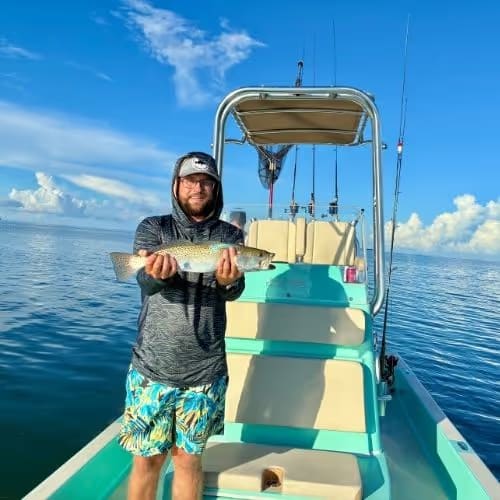
Islamorada Fishing Calendar
The Islamorada fishing calendar shows the best time to fish in Islamorada, month by month, based on seasonal patterns offshore and in the backcountry.
From spring mahi and tuna to winter sailfish and year-round backcountry action, this guide helps anglers plan the right trip at the right time in the Florida Keys.
Best Time to Fish in Islamorada
While fishing is productive year-round, the best time to fish Islamorada depends on the species you’re targeting.
- Spring–Summer: Peak offshore action for mahi, tuna, and mixed pelagics
- Fall: Transitional season with solid offshore days and improving backcountry fishing
- Winter: Prime sailfish season offshore with consistent reef and backcountry opportunities
Use the seasonal breakdown below to see what’s typically biting each month.
Offshore Fishing Calendar
Offshore fishing in Islamorada changes throughout the year as water temperature, Gulf Stream currents, and bait migrations shift. Different pelagic species move through the area each season, making timing a key factor when planning an offshore fishing charter.
-
Spring
March - May
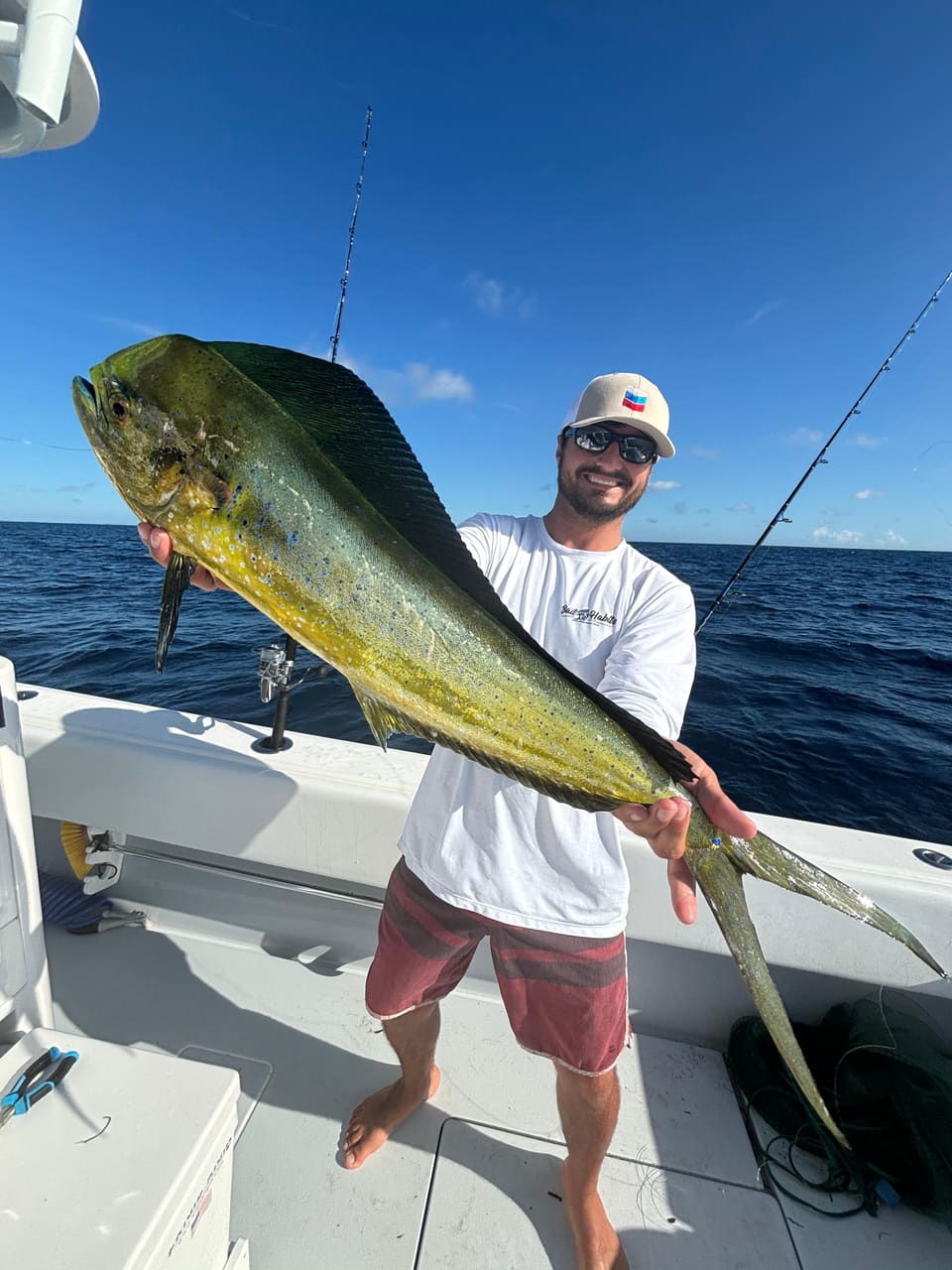
Spring is widely considered one of the best times for offshore fishing in Islamorada. Clean blue water, steady currents, and warming temperatures bring a strong mix of pelagic species into range.
Most Active Species:
- Mahi-mahi
- Blackfin tuna
- Wahoo
Expect reliable action, bright blue water, and long windows of fish movement throughout the day. Many anglers consider spring to be “prime time.”
During late spring, anglers often experience some of the most consistent mahi mahi fishing in Islamorada of the year, with fish schooling under weedlines and debris offshore. -
Summer
June - August
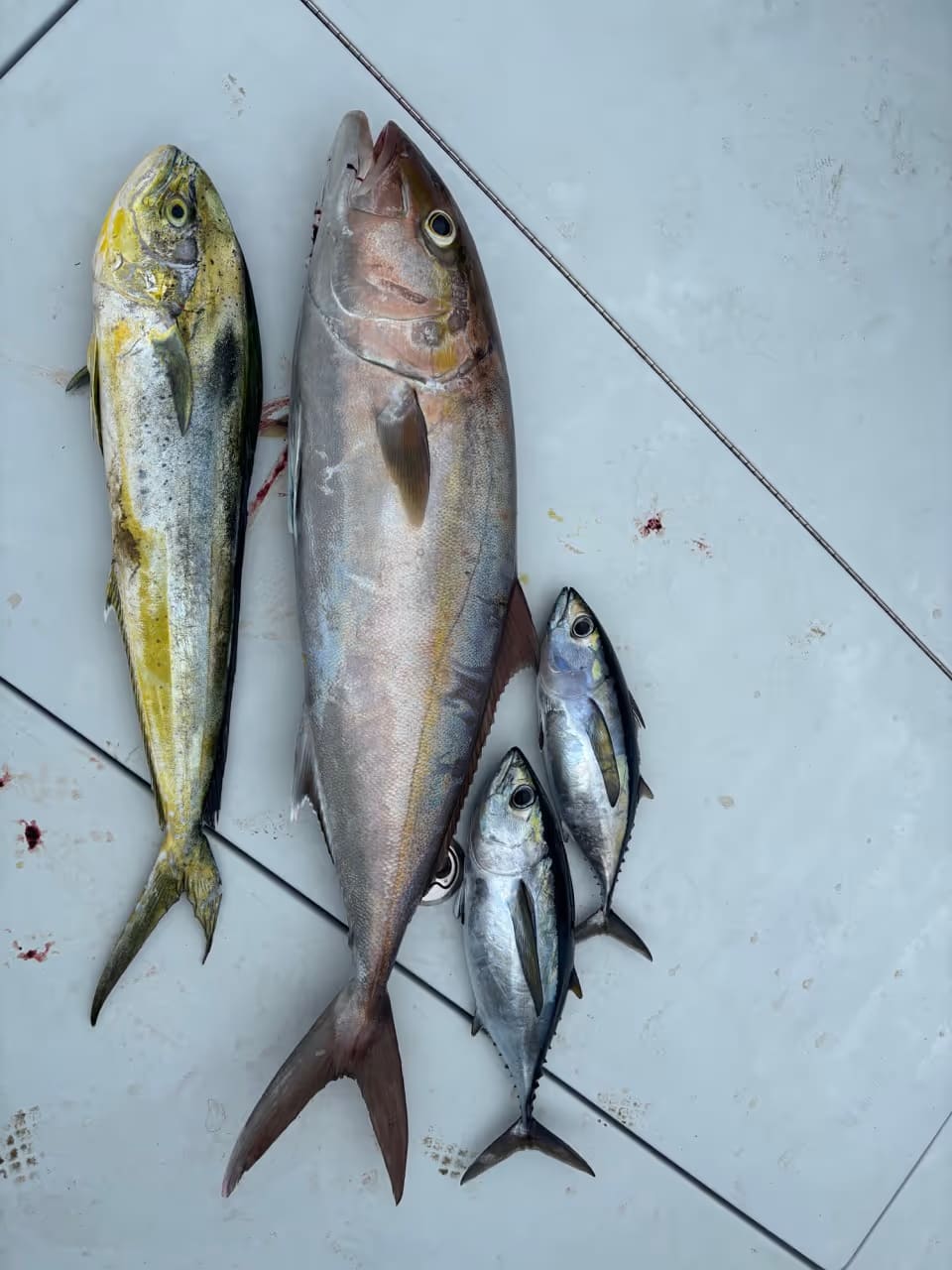
Summer offers calm seas and consistent offshore patterns. Warm water pushes mahi and tuna into range, and many days provide steady bites close to shore.
Most Active Species:
- Blackfin tuna
- Wahoo
- Mahi-mahi
It’s a great season for families and anglers looking for steady, relaxed offshore fishing.
Learn more about our offshore fishing charters in Islamorada. -
Fall
September - November
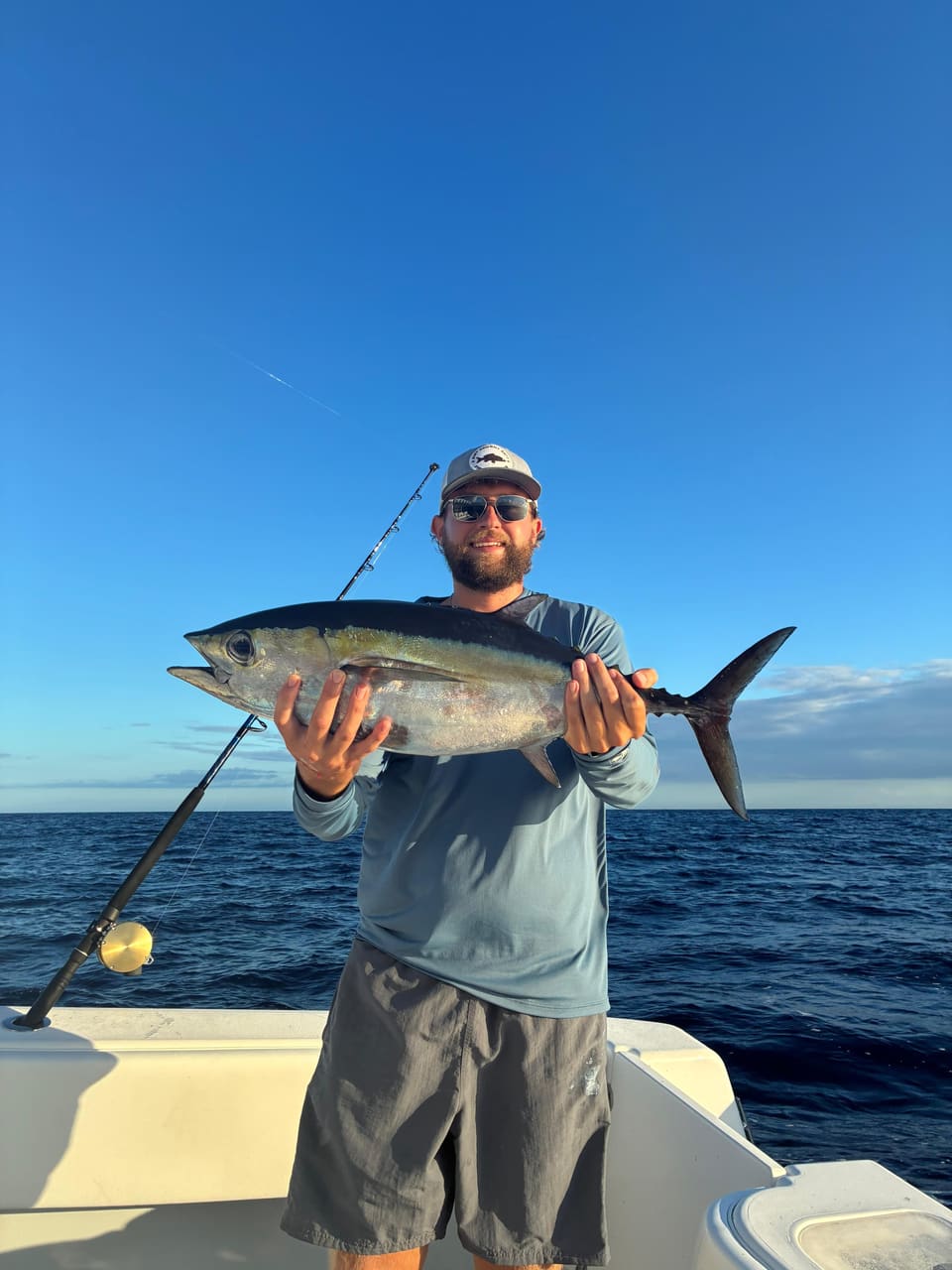
Fall brings cooler mornings and strong offshore opportunities with fewer boats on the water. Tuna fishing stays productive, and the first signs of the winter sailfish season begin to show.
Most Active Species:
- Blackfin tuna
- Kingfish
- Early-season sailfish
- Snapper
It’s a balanced season with a mix of pelagics and reef fish.
-
Winter
December - February
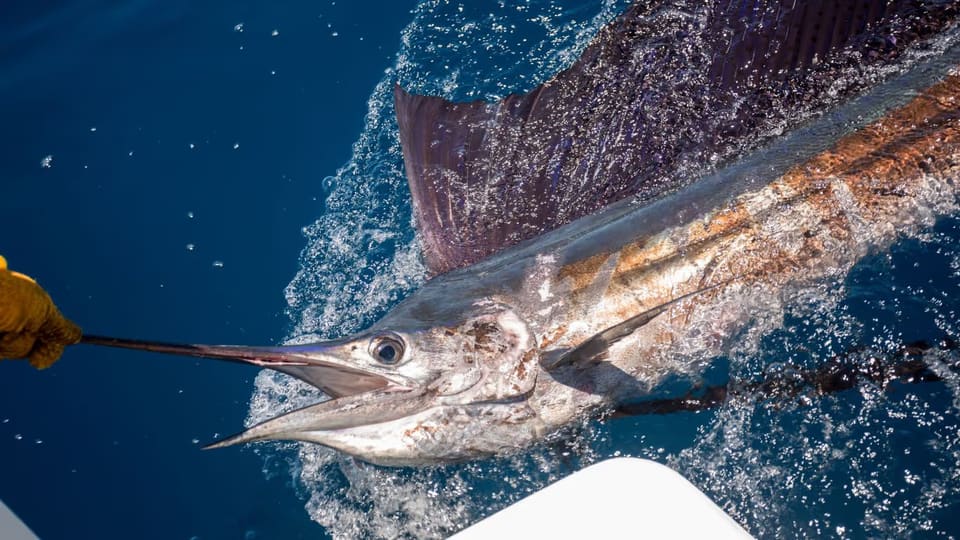
Winter is classic sailfish season in Islamorada. Cold fronts ignite fast-moving packs of sails along the edge, and wahoo fishing can be excellent around the moons.
Most Active Species:
- Sailfish
- Wahoo
- Kingfish
- Blackfin Tuna
A strong season for anglers who enjoy fast-paced action and crisp winter conditions offshore.
Learn more about our sailfish fishing charters in Islamorada.
Inshore Fishing Calendar
Islamorada’s backcountry changes with temperature, tide flow, bait movement, and seasonal patterns. From tarpon migrations to wintertime snook and trout, each season has its own rhythm. Here are the best times for backcountry fishing in Islamorada.
-
Spring
March - May
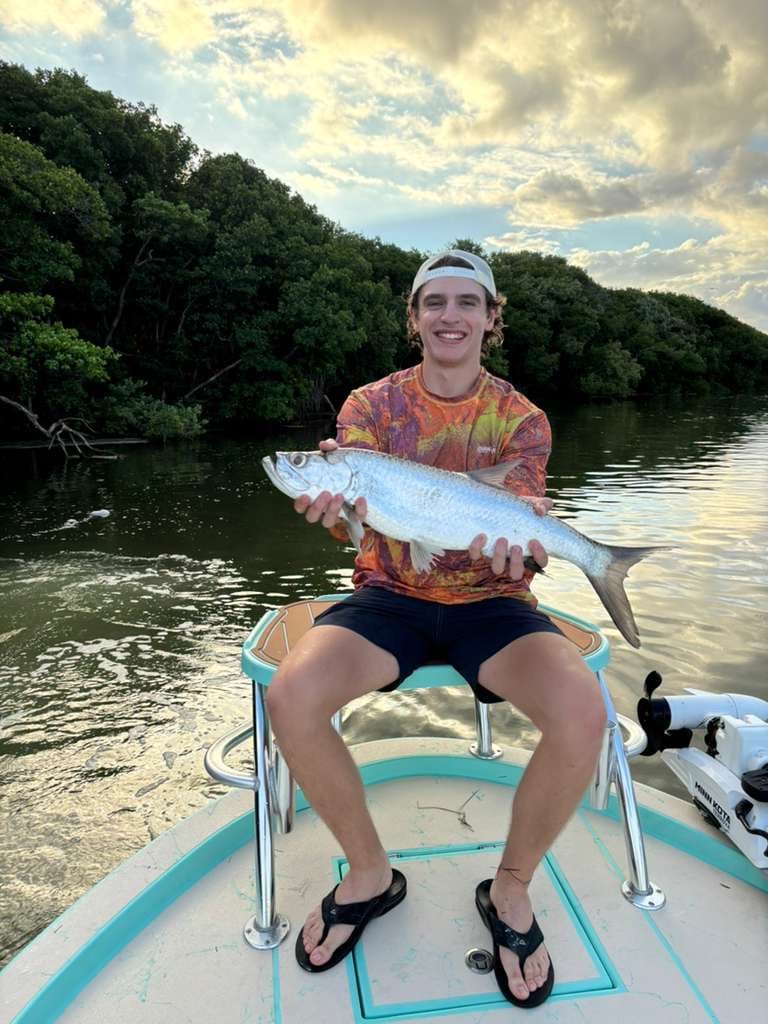
Spring is one of the best seasons in the backcountry. Warming water, steady tides, and strong bait movement make the flats and channels come alive.
Most Active Species:
- Tarpon
- Snook
- Redfish
- Mangrove Snapper
- Trout
This is prime time for tarpon, with early-morning and late-afternoon bites and great light-tackle action.
-
Summer
June - August
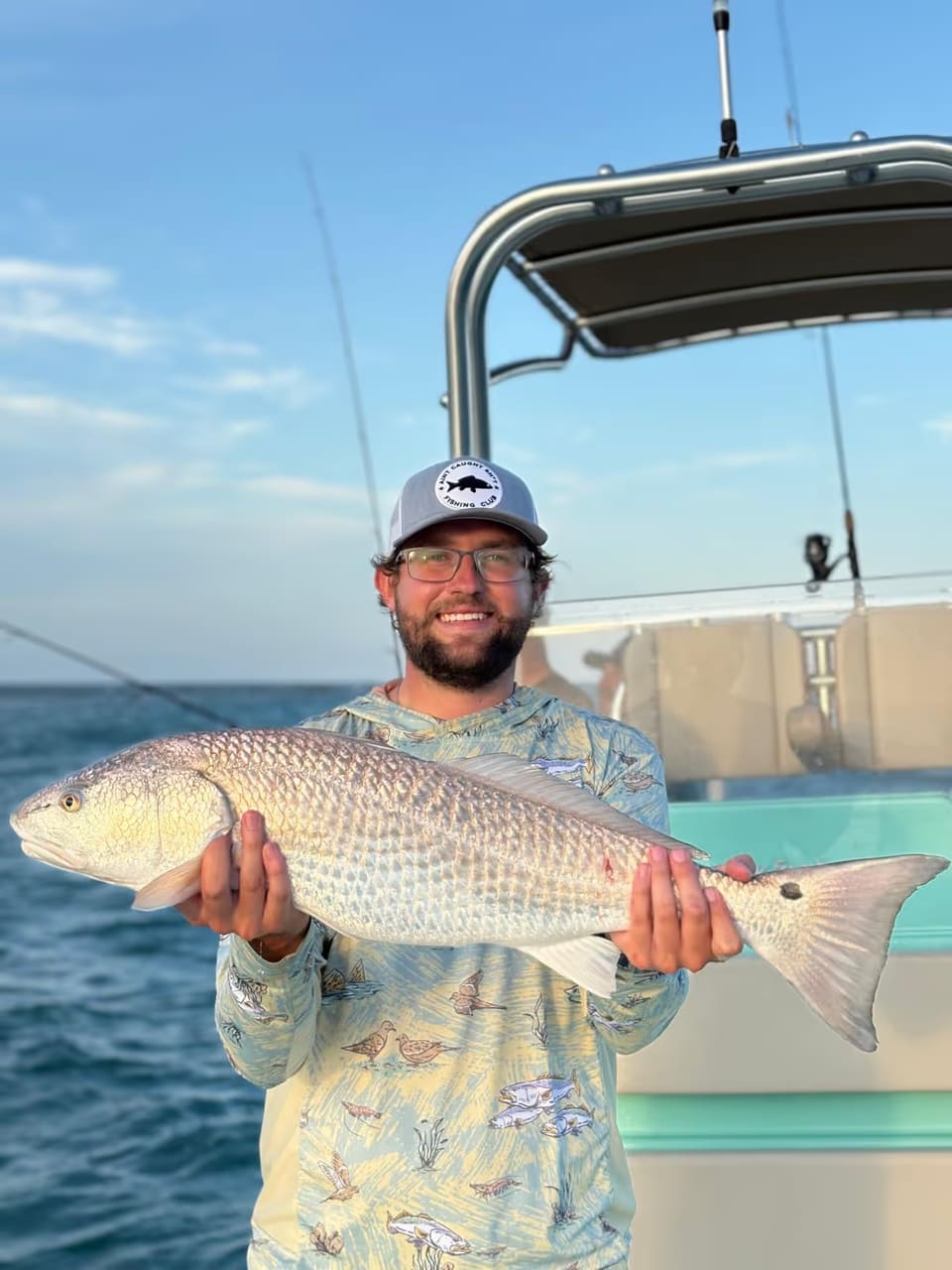
Summer brings calm mornings, warm evenings, and steady inshore fishing. Tarpon remain active early in the season, while snook and reds stay strong around the mangroves and shorelines.
Most Active Species:
- Tarpon
- Snook
- Redfish
- Mangrove Snapper
It’s a great season for relaxed, shallow-water trips with plenty of opportunities on soft plastics, live bait, and topwater lures.
-
Fall
September - November
Fall offers some of the most comfortable inshore fishing of the year. Cooler mornings help snook and reds feed aggressively, and bait pushes deep into the bay.
Most Active Species:
- Snook
- Snapper
- Trout
- Redfish
Light crowds and active fish make fall a solid time for both beginners and experienced anglers.
-
Winter
December - February
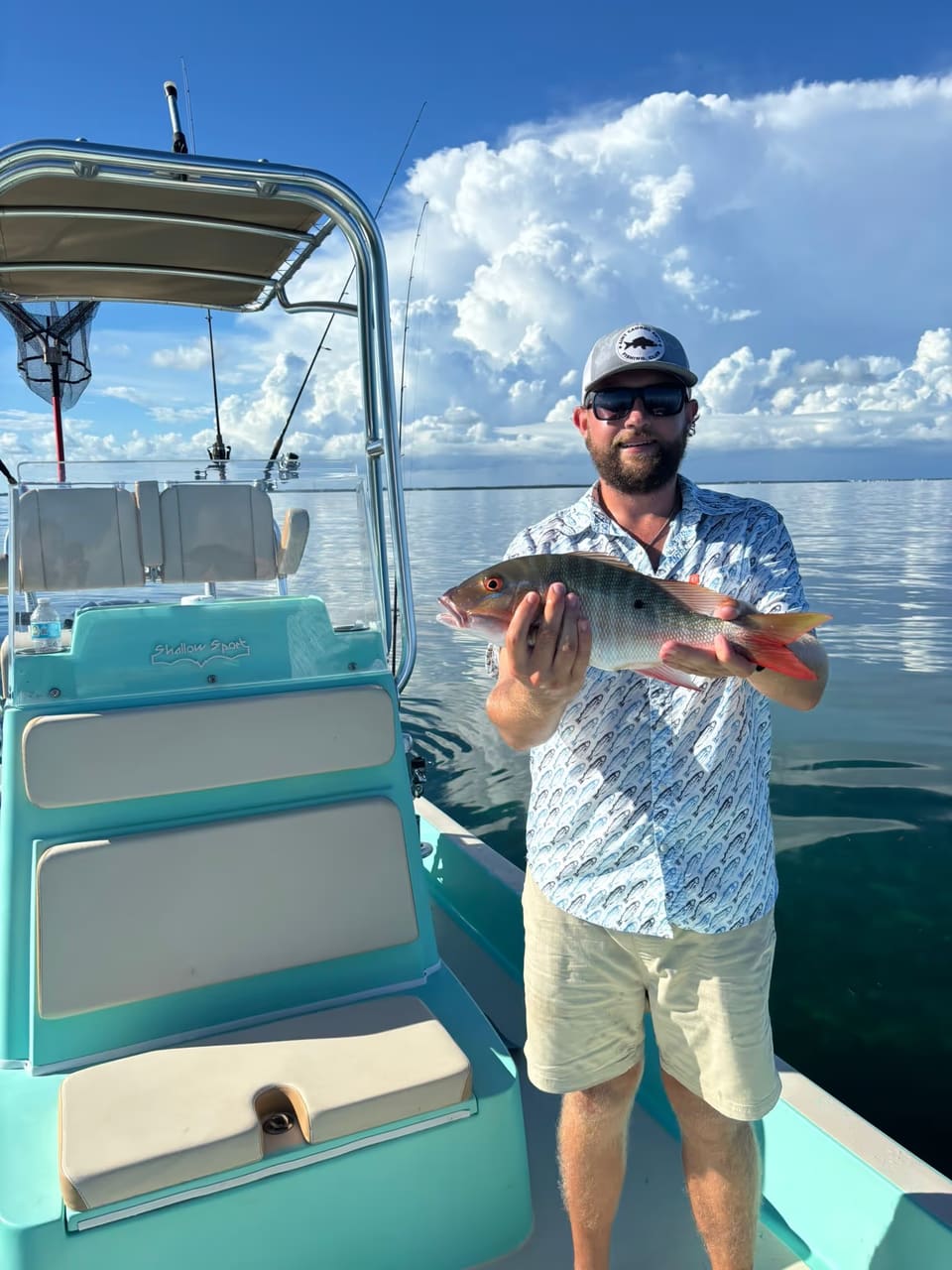
Winter brings clean, cool water and excellent light-tackle fishing. Trout gather in deeper channels, and snook and redfish settle into patterns around structure.
Most Active Species:
- Snook
- Snapper
- Trout
- Redfish
Warm afternoons can still produce tarpon, but winter is best known for calm-water action on snook, reds, and trout.
Our blog
Fishing Reports
For more detailed breakdowns by species and conditions, explore our latest Islamorada fishing reports, where we cover seasonal patterns, offshore conditions, and what we’re seeing on the water week to week.
-
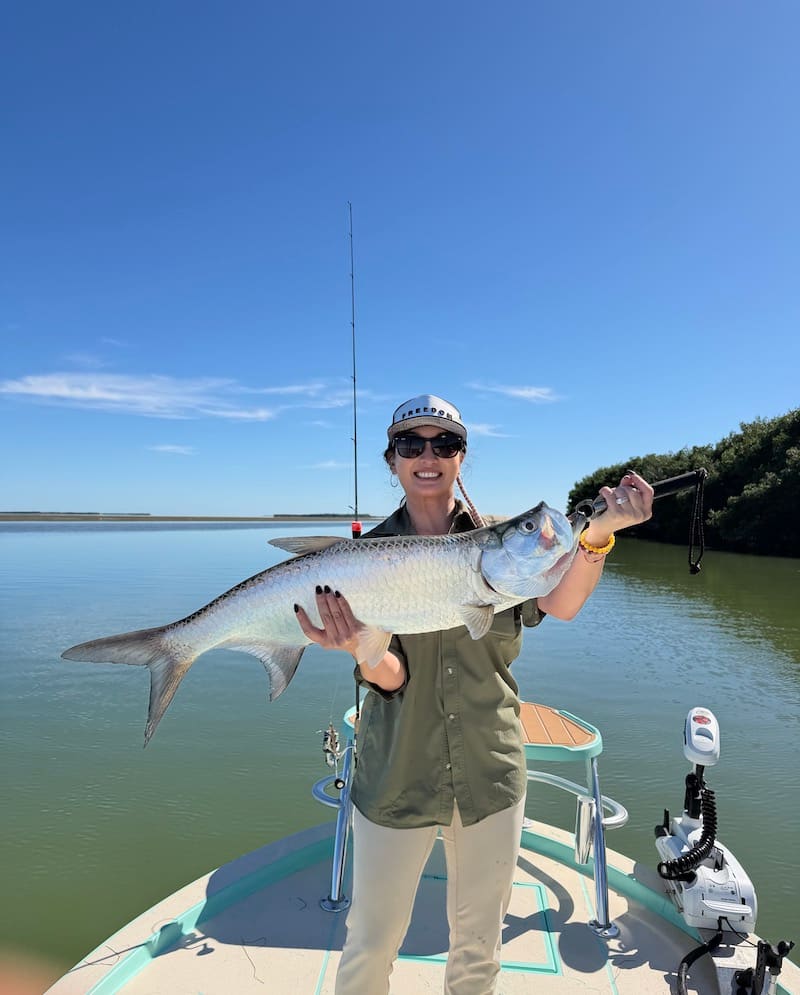
Fishing Report · Apr 3, 2026
April Fishing Report: What's Biting in Islamorada
April is one of the best months on the water in Islamorada. Here's what we're seeing offshore and in the backcountry this spring.
Read -
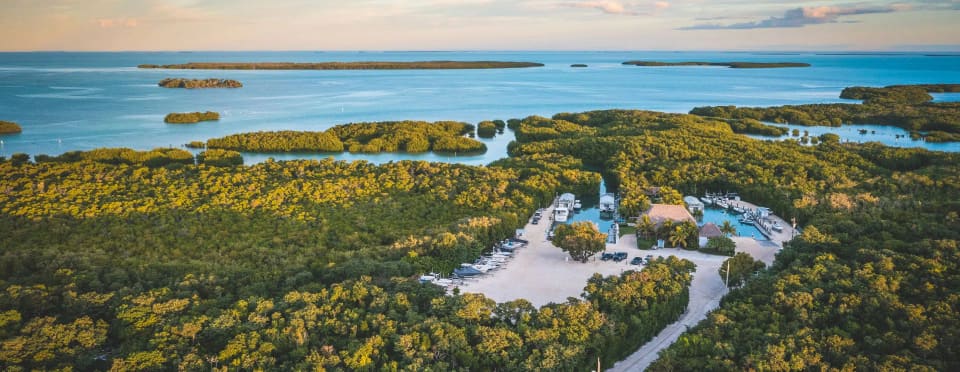
Guides · Feb 27, 2026
Fishing Charters Departing from Angler House Marina in Islamorada
Convenient backcountry access from Safe Harbor Angler House in the heart of Islamorada.
Read -
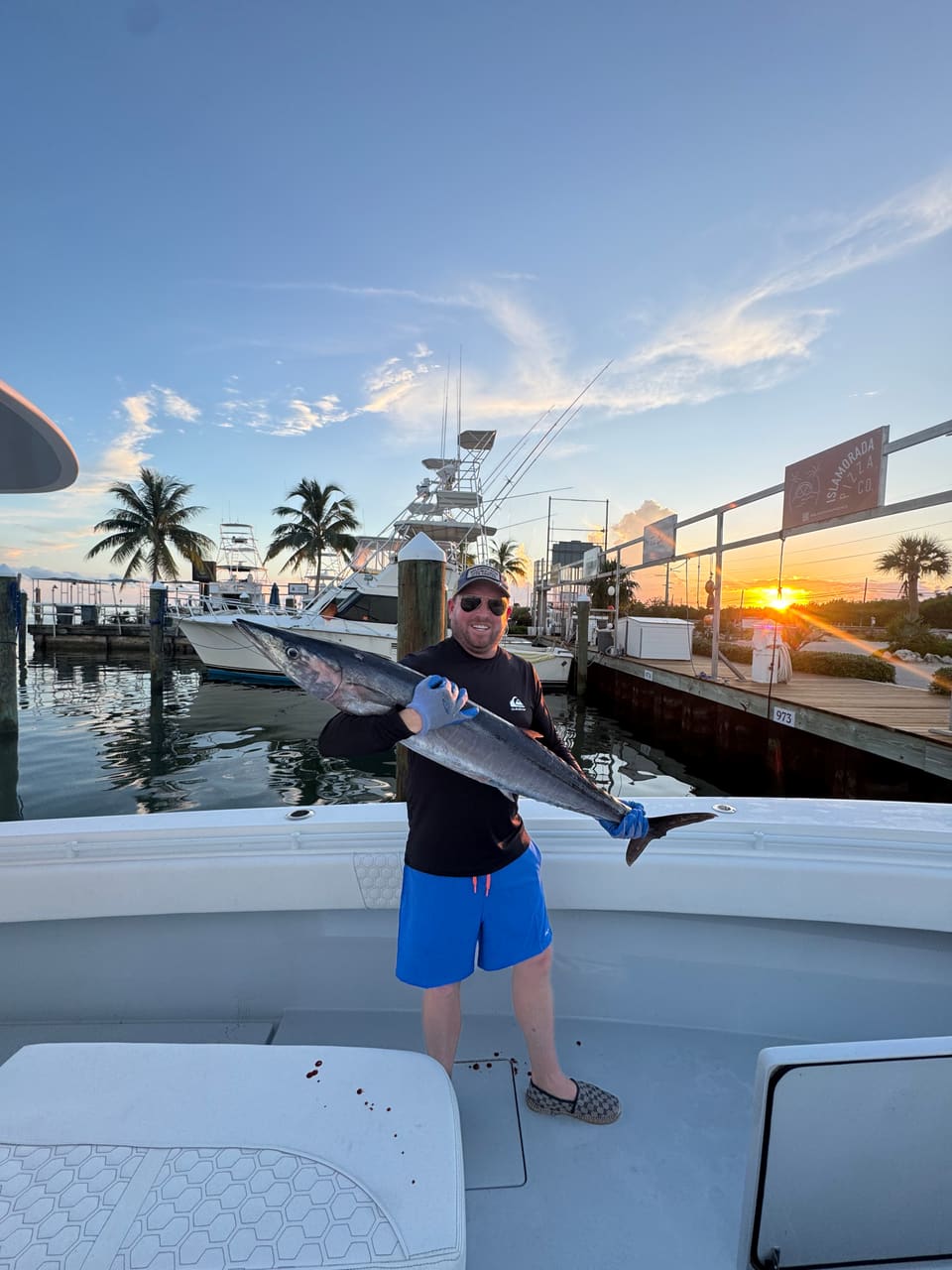
Fishing Report · Nov 21, 2025
What’s Biting in Islamorada? A Month-by-Month Guide to Florida Keys Fishing
Month-by-month guide to what’s biting in Islamorada. Learn the best seasons for sailfish, mahi, tuna, snapper, and more in the Florida Keys.
Read
Target Species
What we're catching in Islamorada
These species pages dive deeper into seasonal behavior, tactics, and when each fish is most active throughout the year.
- Offshore
Sailfish
When the air is cold, the bite is hot. Winter is best time to catch sailfish and will stick around through spring.
Learn More - Offshore
Mahi Mahi
Peak season in summer when large schools are abundant, but can be caught other months in small quantities.
Learn More - Offshore
Tuna
Can be targeted in abundance during the spring months, but are occasionally caught in winter and summer as well.
Learn More - Offshore
Grouper & Snapper
Strong and Tasty. will test your strength getting it to your dinner table. Snapper caught year-round, grouper during season.
Learn More - Backcountry
Tarpon
A true Islamorada specialty. Peak spring through early summer.
Learn More - Backcountry
Redfish
Stalk the shallow waters of the everglades in pursuit of this tasty, tailing, hard fighter.
Learn More - Backcountry
Snook
Found in mangroves and creeks; responsive to both artificial and live baits.
Learn More - Backcountry
Spotted Seatrout
Lots of fun, rod bending action while targeting Seatrout on the grassbeds of the everglades.
Learn More
FAQs
Islamorada Fishing Calendar FAQs.
What is the best time to fish in Islamorada?
Fishing in Islamorada is productive year-round, but the best time to fish depends on the species you want to target. Spring through summer offers peak offshore action for mahi mahi, tuna, and mixed pelagic species. Winter months are known for excellent sailfish fishing offshore. Backcountry and inshore fishing remain consistent throughout the year, with seasonal highlights for tarpon, snook, and redfish.
Is there a year-round fishing season in Islamorada?
Yes. Islamorada offers year-round fishing opportunities thanks to its location in the Florida Keys and access to offshore, reef, and backcountry waters. While certain species peak in specific seasons, there is always something biting, making Islamorada one of the most reliable fishing destinations in Florida.
What fish are in season in Islamorada right now?
The fish currently in season in Islamorada varies by month and conditions, but anglers can typically expect a mix of offshore pelagic species and backcountry favorites throughout the year. Seasonal migrations, water temperature, and currents all play a role, which is why a month-by-month fishing calendar is the best way to plan your trip.
Is summer a good time for offshore fishing in the Florida Keys?
Yes, summer is one of the best times for offshore fishing in the Florida Keys, especially for mahi mahi. Warm water, active currents, and abundant weedlines create ideal conditions for dolphin to school offshore. Summer trips often produce fast action, multiple hookups, and excellent conditions for families and first-time offshore anglers.
How do I choose the best month to fish in Islamorada?
Choosing the best month to fish in Islamorada depends on your goals. Anglers looking for fast offshore action often prefer late spring and summer, while those targeting sailfish plan winter trips. Backcountry fishing is a great option year-round, especially for calmer waters and light-tackle opportunities.